As mentioned by the CBCGD in the quote above, the laws concerning the protection of stray animals in China are still incomplete and not effectively enforced. While there are many grassroots organizations dedicated to protecting and rescuing stray cats, their reach is quite limited.
However, there is a positive trend developing. The younger generations in China, who have received scientific education since the country's reform and opening-up, understand the importance of protecting and rescuing stray animal populations. An increasing number of people are stepping forward to raise public awareness about this issue. Internet users also called on the public to go to the State Council website and leave a message asking the government to stop abusing and killing stray animals, to reasonably disclose the way stray cats and dogs are handled, and to call on the state to legislate for the protection of animals.
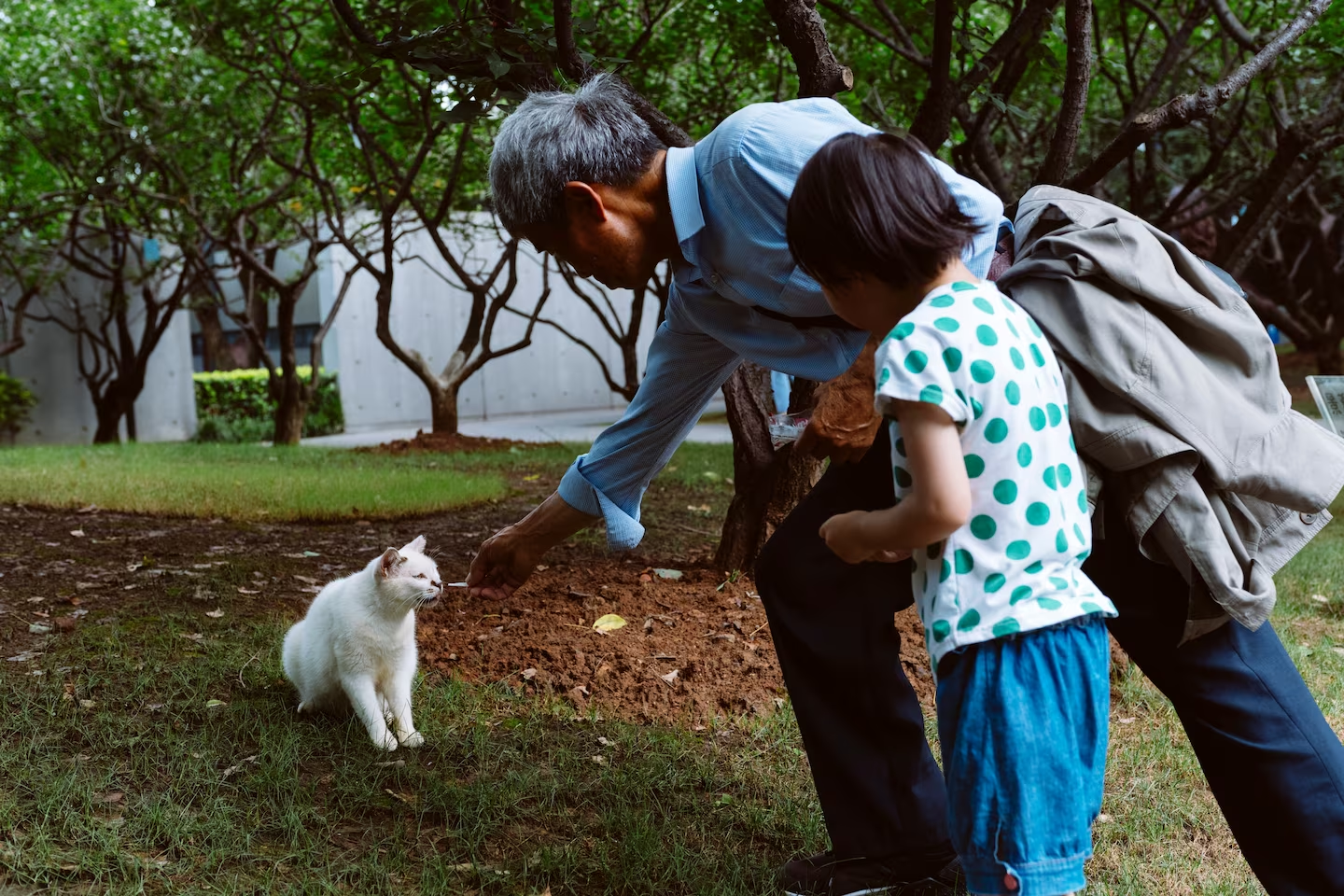
Tushetou (literally “sticking out the tongue”) is one of
the oldest stray cats in the Jing'An Sculpture Park.
After battling some illnesses, it is now healthy and fat,
according to Xiao Bai, a member of the volunteer group that helps cats in the park.